Caffeine Half-Life & Sleep Impact Calculator
Discover how caffeine lingers in your system, visualize its decay, and optimize your intake for better sleep. Supports multiple doses and personalized metabolism.
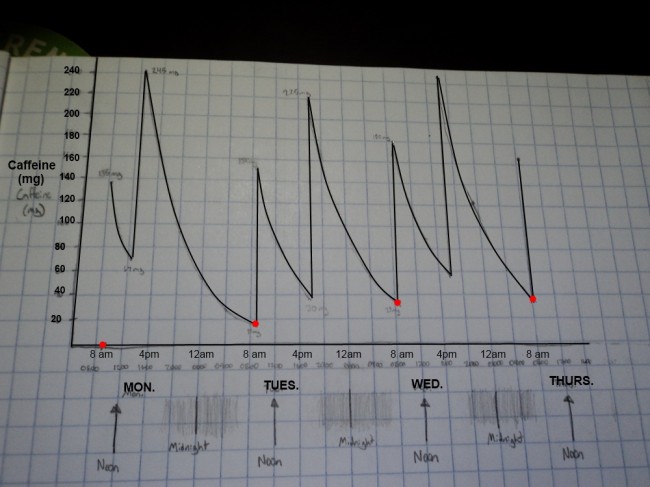
How Caffeine Affects Sleep
Caffeine blocks adenosine receptors in your brain, delaying sleepiness. Even after the buzz wears off, residual levels can disrupt sleep architecture — reducing deep REM stages and increasing nighttime awakenings. Studies from the Journal of Clinical Sleep Medicine show that 200mg of caffeine (about 2 coffees) taken 16 hours before bed can still impair sleep quality.
For optimal rest, aim for under 20mg at bedtime. Sensitive individuals (e.g., with insomnia or anxiety) may notice effects from as little as 10mg.
- >50 mg at bedtime: High risk of fragmented sleep, reduced total sleep time by 30–60 minutes.
- 20–50 mg: Moderate disruption, especially for light sleepers — may delay sleep onset.
- <20 mg: Generally safe, with minimal impact on most people.
Chronic high intake can lead to tolerance, but sleep effects persist. Track your levels to find your ideal cutoff time.
Common Caffeine Sources
Know your doses to input accurately. Values are approximate — check labels for precision.
| Source | Caffeine (mg) | Serving |
|---|---|---|
| Coffee | 80–100 | 8 oz brewed |
| Espresso | 63 | 1 shot (1 oz) |
| Black Tea | 40–70 | 8 oz |
| Green Tea | 20–45 | 8 oz |
| Energy Drink | 80 | 8 oz |
| Cola Soda | 30–40 | 12 oz |
| Dark Chocolate | 20–30 | 1 oz |
| Caffeine Pill | 100–200 | 1 pill |
Real-Life Example: Daily Coffee Drinker
Suppose you have a 95mg coffee at 8 AM and another at 2 PM, with a 5.5-hour half-life and 10 PM bedtime.
At bedtime: ~15mg remaining (low impact). By 7 AM wake-up: <5mg. Adjust inputs above to simulate!
Factors Affecting Caffeine Half-Life
Your metabolism varies — here's a comparison:
| Group | Typical Half-Life (hours) | Why? |
|---|---|---|
| Average Adult | 5–6 | Standard liver enzyme activity. |
| Smokers | 3–4 | Nicotine speeds up metabolism. |
| Pregnant Women | 8–12 | Hormonal changes slow clearance. |
| Oral Contraceptive Users | 6–10 | Estrogen inhibits enzymes. |
| Liver Disease | >10 | Reduced enzyme function. |
| Fast Metabolizers (Genetic) | 4–5 | CYP1A2 gene variant. |
Source: Institute of Medicine, Caffeine for the Sustainment of Mental Task Performance.
Tips for Better Sleep & Caffeine Management
Optimize your routine to avoid sleep debt while enjoying caffeine's benefits.
- Cutoff timing: No caffeine 8–12 hours before bed based on your half-life.
- Alternatives: Switch to decaf coffee (2–5mg) or herbal teas like chamomile in afternoons.
- Test sensitivity: Use this calculator over a week, track sleep quality with a journal or app.
- Hydration: Drink extra water — caffeine is a diuretic, and dehydration worsens jitters and sleep issues.
- Gradual reduction: If dependent, taper intake to avoid headaches.
- Combine with habits: Pair with exercise or light exposure for natural energy without overload.
Frequently Asked Questions
Why does half-life vary?
Genetics (CYP1A2 enzyme), pregnancy, liver function, smoking, and oral contraceptives all affect metabolism speed. Fast metabolizers clear it quicker; slow ones retain it longer.
Does food affect absorption?
Yes — consuming caffeine with meals can delay peak levels by 30–60 minutes but doesn't significantly alter total absorption or half-life.
When is the best cutoff time?
For most, no caffeine after 2–3 PM if bedtime is 10–11 PM. Use this tool to personalize based on your half-life and doses.
Can caffeine build up over days?
Yes, if consumed late and not fully cleared by morning. Chronic high intake leads to accumulation and tolerance.
How accurate is this calculator?
It's based on exponential decay models from pharmacology studies. Real levels vary by individual factors, but it's a solid estimate for planning.
Does exercise speed up clearance?
Lightly — physical activity may boost metabolism slightly, but not enough to rely on for late-day caffeine.
What about decaf?
Decaf has 2–15mg per cup — safe for evenings, but track if sensitive.
Can kids use this?
Children's half-life is similar (4–6h), but limit intake to <2.5mg/kg body weight daily per health guidelines.
Does age affect half-life?
Slightly — older adults may have 6–9h due to slower liver function.
How to find my exact half-life?
Genetic tests (e.g., 23andMe) reveal CYP1A2 variants, or experiment with timing and sleep tracking.
Reviewed by Health Expert • Updated January 2026 • Sources: Journal of Clinical Sleep Medicine, Institute of Medicine
Next Steps for Better Energy Management
- Track sleep with apps like Sleep Cycle to correlate with caffeine levels.
- Experiment: Reduce late intakes and note improvements.
- Share your chart: